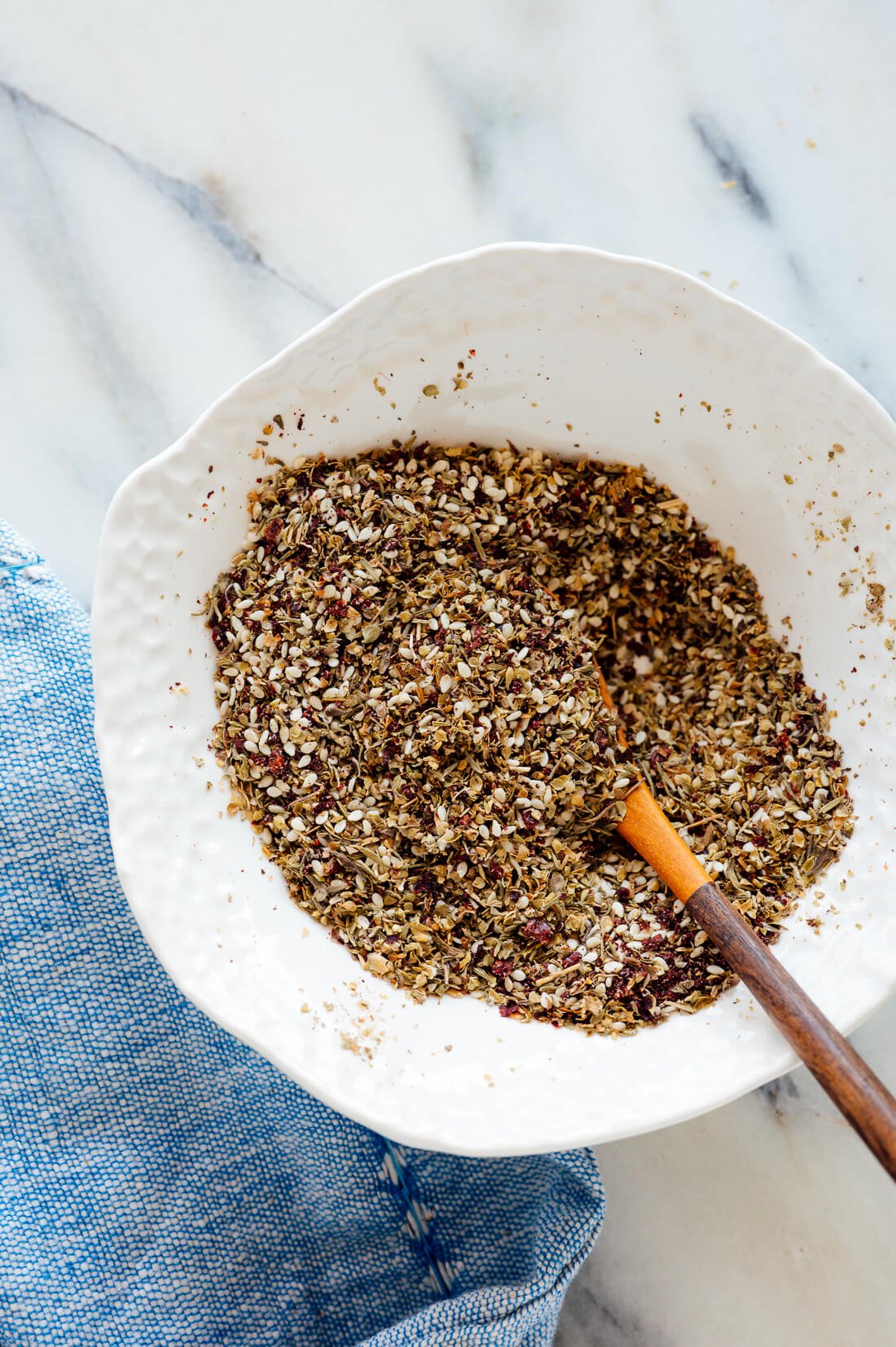
Beyond the Store Shelf: Why Homemade Lebanese Za'atar Reigns Supreme
There's an undeniable magic to the aroma of authentic Middle Eastern cuisine, and at its heart often lies one extraordinary spice blend: Za'atar. This earthy, herby, and subtly savory mix is more than just a seasoning; it's a culinary cornerstone, particularly in Lebanese kitchens. While store-bought versions are readily available, embarking on the journey of crafting your own traditional Lebanese Za'atar blend unveils a world of unparalleled flavor, freshness, and significant savings. Forget those bland, pre-packaged blends; homemade Za'atar is a game-changer, promising a depth of taste that elevates every dish it touches.
Imagine the vibrant, citrusy burst of sumac, the aromatic warmth of oregano, and the nutty crunch of toasted sesame seeds, all perfectly harmonized. This isn't just a dream; it's the reality of homemade Za'atar. Not only is it a more economical choice, allowing you to create generous batches for a fraction of the cost, but it also guarantees supreme freshness. You control every ingredient, ensuring purity and quality, free from fillers or stale components that often compromise commercial blends. For anyone who uses Za'atar regularly – whether it's drizzled over olive oil on fresh saj bread for breakfast, sprinkled liberally over vibrant salads, or used to season meats and vegetables – making it from scratch is an essential step towards truly authentic and flavorful meals.
Deconstructing the Authentic Lebanese Za'atar Blend
At its core, a traditional Lebanese Za'atar blend is a masterclass in balance, built upon a few key ingredients, each playing a vital role in its distinctive profile. Understanding these components is the first step to appreciating the artistry behind this beloved spice mix.
Oregano: The Aromatic Foundation
Central to Lebanese Za'atar is oregano, specifically a wild variety often referred to as wild thyme or hyssop in Arabic, which is what "Za'atar" literally translates to. This isn't your standard Italian seasoning oregano; it possesses a unique pungency, warmth, and slightly peppery note that forms the aromatic backbone of the blend. When dried and ground, it releases an earthy fragrance that immediately transports you to the sun-drenched landscapes of the Levant. The quality of your oregano dramatically impacts the final flavor, so sourcing potent, well-dried leaves is crucial.
Sumac: The Tangy Heartbeat
Sumac is the secret to Za'atar's signature lemony brightness. Derived from the dried, ground berries of the sumac bush, it imparts a beautiful reddish hue and a distinct, tart flavor that's less acidic than lemon but equally invigorating. It cuts through the richness of other ingredients, adding a lively zing that makes the blend so versatile and appealing. Always opt for pure sumac, free from added salt or fillers, to ensure that vibrant, natural tang.
Toasted Sesame Seeds: The Nutty Crunch
The addition of toasted sesame seeds brings a delightful textural contrast and a rich, nutty depth to the Za'atar blend. Toasting the seeds is a non-negotiable step; it awakens their inherent oils, intensifying their flavor and aroma, transforming them from simple seeds into little bursts of nutty goodness. They provide a grounding counterpoint to the sharp sumac and earthy oregano, tying the entire blend together.
Salt: The Flavor Enhancer
A touch of salt is essential, not just for seasoning, but for enhancing and harmonizing the flavors of the other ingredients. It elevates the natural qualities of the oregano, sumac, and sesame, ensuring no single flavor dominates but rather contributes to a perfectly balanced ensemble. The amount of salt can be adjusted to personal preference, making homemade Za'atar even more tailored to your palate.
Your Step-by-Step Guide to Crafting the Perfect Za'atar
Creating your own traditional Lebanese Za'atar blend is a surprisingly simple yet incredibly rewarding process. Follow these steps to produce a fresh, flavorful batch that will outperform any store-bought alternative. For a more detailed walkthrough, consider checking out Craft Your Own Authentic Lebanese Za'atar: A Simple Recipe.
Step 1: Preparing Your Oregano
If you're starting with fresh oregano leaves, the first task is to dry them thoroughly. Spread them evenly on a parchment-lined baking sheet. Bake at a low temperature, around 165ºF (75ºC), leaving the oven door slightly ajar to allow moisture to escape. Check after 30-45 minutes; the leaves should be brittle and crumbly. If not, continue drying in 5-10 minute intervals. Alternatively, you can air-dry bundles of oregano by hanging them in a cool, dry place for a week or two. Once completely dry, crush or grind the leaves into a fine oregano powder. The aroma released during this step is a true sensory delight, promising the freshness to come.
Step 2: Toasting the Sesame Seeds to Perfection
This step is crucial for unlocking the full flavor of your Za'atar. In a dry pan over medium heat, toast your sesame seeds, stirring constantly. The goal is an even golden-brown color and a wonderfully nutty aroma, which typically takes 4-5 minutes. Be vigilant, as sesame seeds can burn quickly. Once toasted, immediately transfer them to a plate to cool down completely. This prevents them from continuing to cook and becoming bitter.
Step 3: The Art of Blending
Now comes the magic! In a medium bowl or a jar, combine your ingredients. A classic traditional Lebanese Za'atar blend ratio is 1 cup of ground oregano to 1/2 cup of sumac and 1/2 cup of toasted sesame seeds. Add salt to taste, starting with about a teaspoon per batch and adjusting as needed. Stir everything thoroughly until all components are evenly distributed, creating a beautiful, harmonious blend of colors and textures. You'll immediately notice the vibrant aroma that fills your kitchen – a testament to its freshness.
Step 4: Storage for Lasting Freshness
Once your Za'atar is perfectly mixed, transfer it to an airtight jar. Store it in a cool, dry place away from direct sunlight, or even refrigerate it to extend its shelf life. Properly stored, homemade Za'atar will remain fresh and potent for six months or even longer, ready to infuse your meals with its unique Middle Eastern charm.
Unleashing the Versatility: Creative Ways to Enjoy Your Homemade Za'atar
With your fresh batch of homemade Za'atar ready, the culinary possibilities are endless. This versatile blend isn't confined to specific dishes; it's a flavor enhancer that brings a taste of the Levant to nearly anything. To explore even more innovative applications, take a look at Beyond Breakfast: Explore Diverse Uses for Lebanese Za'atar.
The Classic Lebanese Breakfast Spread
Perhaps the most iconic use of Za'atar is for breakfast. Mix it with a generous amount of good quality olive oil to create a paste. Spread this mixture generously over warm flatbread (like pita or saj bread) or toast. Serve alongside creamy labneh (strained yogurt), fresh vegetables, and olives for a quintessential Lebanese morning feast. The combination of rich olive oil, tangy Za'atar, and cool labneh is simply divine.
Manakish: The Savory Flatbread Star
Elevate your breakfast or snack game with homemade Manakish Za'atar. Simply spread your Za'atar and olive oil mixture over fresh flatbread dough and bake until golden and slightly crispy. These savory pastries are incredibly satisfying and a beloved staple throughout the Middle East.
Beyond Breakfast: Innovative Culinary Applications
- Roasted Vegetables: Sprinkle Za'atar over potatoes, carrots, zucchini, or cauliflower before roasting for an aromatic, earthy flavor boost.
- Grilled Meats: Use it as a dry rub or mix with olive oil for a marinade for chicken, lamb, or fish. The lemony notes of sumac pair exceptionally well with grilled proteins.
- Salad Enhancer: Whisk Za'atar into your vinaigrette or sprinkle it directly over green salads, cucumber and tomato salads, or even pasta salads for an unexpected twist.
- Pizza Topping: Before baking, sprinkle a generous amount of Za'atar over your pizza for an exotic, aromatic flavor profile that complements both vegetarian and meat toppings.
- Savory Pastries: Experiment by incorporating Za'atar into fillings for croissants, puff pastry pinwheels, or even savory scones.
- Dips and Spreads: Stir it into hummus, baba ghanoush, or even a simple yogurt dip for an instant flavor upgrade.
- Eggs: A pinch of Za'atar over scrambled eggs, omelets, or fried eggs adds a sophisticated, savory dimension.
Tips for Za'atar Perfection and Storage
To ensure your homemade traditional Lebanese Za'atar blend is consistently excellent, keep these tips in mind:
- Quality Ingredients Matter: The fresher and higher quality your individual components (especially the oregano and sumac), the more vibrant and flavorful your final blend will be.
- Don't Skip Toasting: The difference between untoasted and toasted sesame seeds is immense. This step is non-negotiable for achieving that deep, nutty profile.
- Taste and Adjust: When adding salt, start small and adjust to your personal preference. You can always add more, but you can't take it away.
- Experiment with Ratios (Carefully): While the classic ratio is a great starting point, once you're comfortable, you might slightly adjust the amount of sumac for more tang, or sesame for more nuttiness, to truly personalize your blend.
- Airtight Storage is Key: Exposure to air, light, and heat are Za'atar's enemies. A tightly sealed jar in a cool, dark pantry or refrigerator will preserve its potency and aroma for many months.
Making your own Za'atar is more than just a recipe; it's an experience that connects you to centuries of culinary tradition. It offers a tangible way to infuse your cooking with authenticity, flavor, and the undeniable satisfaction of a homemade creation.
Embracing the homemade approach to this beloved spice blend offers an unparalleled culinary advantage. The superior freshness, vibrant flavors, and cost-effectiveness of crafting your own traditional Lebanese Za'atar blend make it a truly worthwhile endeavor. From enhancing simple breakfast dishes to transforming gourmet meals, your homemade Za'atar will become an indispensable staple in your kitchen, constantly reminding you of the rich, aromatic heritage it represents. So, gather your ingredients, follow these steps, and prepare to embark on a flavorful journey that will undoubtedly elevate your home cooking to new heights.
