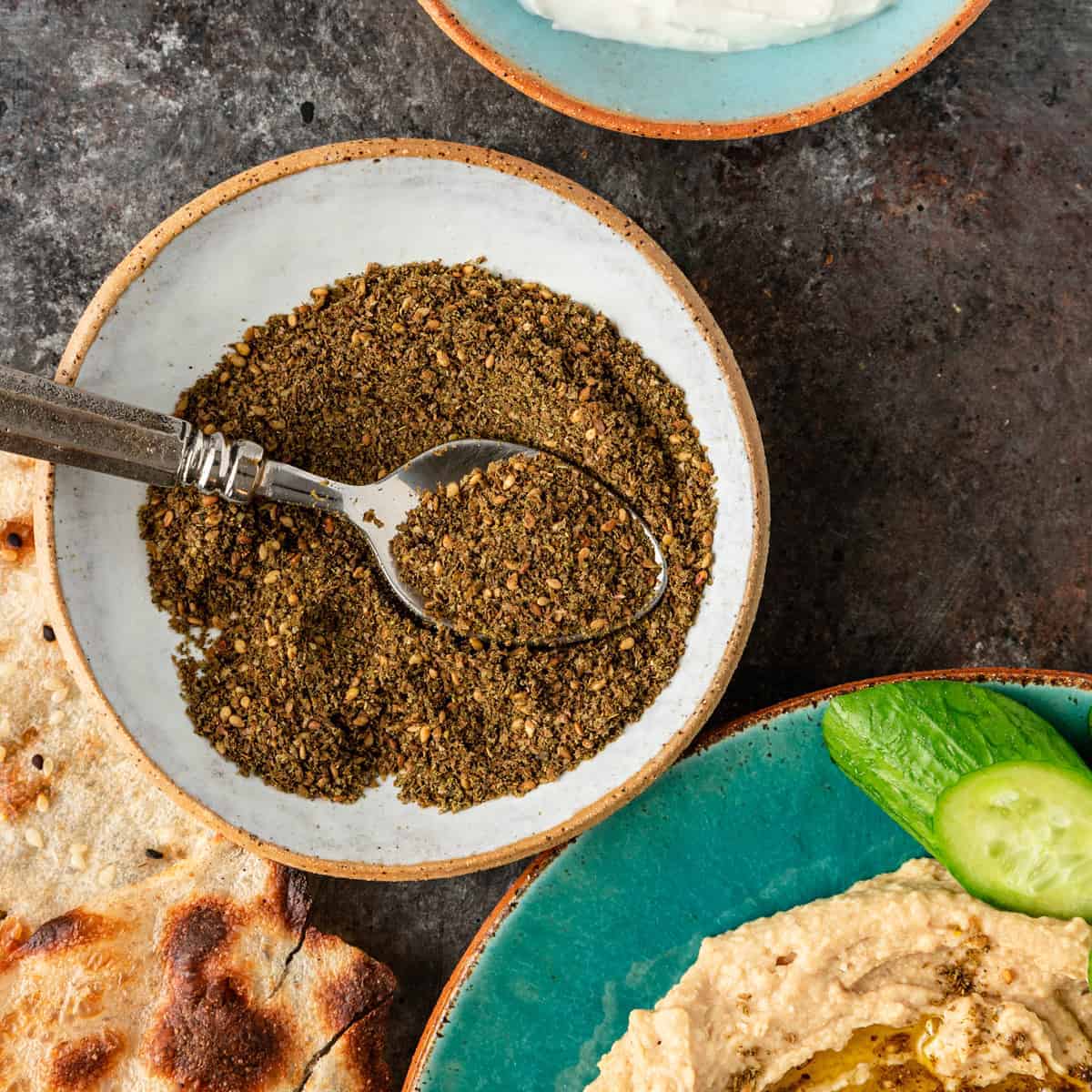
Craft Your Own Authentic Lebanese Za'atar: A Simple Recipe
Imagine a spice blend that effortlessly transports you to the sun-drenched kitchens of the Middle East with just a sprinkle. This is the magic of za'atar, a cornerstone of Lebanese culinary heritage and a staple that enlivens countless dishes. While readily available in stores, crafting your own **traditional Lebanese za'atar blend za'atar** at home is a truly rewarding experience, promising unparalleled freshness, vibrant flavor, and a deeper connection to this ancient culinary art.
Often reaching for our homemade blend multiple times a week, we can attest to its transformative power. It’s not just an ingredient; it's an invitation to explore the rich, earthy, and citrusy notes that define Middle Eastern cuisine. This guide will walk you through a simple yet authentic recipe, enabling you to create a za'atar that's not only superior in taste but also more economical than any store-bought alternative. Get ready to awaken your senses and elevate your cooking!
What is Za'atar? A Deep Dive into its Essence
At its heart, za'atar is more than just a spice mix; it's a taste of history and culture. The term "za'atar" itself is the Arabic word for wild thyme or hyssop, but it has evolved to universally refer to the iconic blend that typically features dried wild thyme (or oregano), sumac, toasted sesame seeds, and a touch of salt. This unique combination delivers a flavor profile that is truly unforgettable: an earthy herbaceousness from the thyme, a delightful lemony tang from the sumac, and a subtle, nutty crunch from the sesame seeds.
The beauty of za'atar lies in its harmonious balance, providing a versatile flavor enhancer that brightens up almost any dish. While different regions across the Middle East boast their own variations – some incorporating additional spices like cumin or coriander – the Lebanese rendition, often simpler and focusing on the core herbs, is celebrated for its purity and vibrant essence. It's this straightforward yet profound **traditional Lebanese za'atar blend za'atar** that has captured the hearts and palates of many, including us. It’s a foundational flavor, deeply ingrained in daily meals, from bustling breakfast tables to comforting evening dinners.
The Art of Crafting Your Own Za'atar: A Simple Recipe
The true joy of making your own za'atar lies in controlling the quality and proportions of each ingredient, ensuring an incredibly fresh and authentic taste. This recipe emphasizes simplicity without compromising on flavor, bringing the true essence of Lebanese tradition into your kitchen.
Ingredients You'll Need:
- Dried Ground Oregano or Wild Thyme: This is the backbone of your za'atar. If you have access to wild thyme, even better. The herbaceous depth is crucial.
- Sumac: Essential for its vibrant, tangy, almost lemony flavor and beautiful deep red color. Ensure you're using high-quality sumac for the best results.
- Toasted Sesame Seeds: These provide a delightful nutty counterpoint and a pleasant textural crunch.
- Salt: To taste. It acts as a flavor enhancer, bringing all the elements together.
Proportions for Your Blend:
A general guideline that yields a balanced **traditional Lebanese za'atar blend za'atar** is:
- 1 cup of dried ground oregano (or wild thyme)
- ½ cup of sumac
- ½ cup of toasted sesame seeds
- Salt to taste (start with ½ teaspoon and adjust)
These ratios can be scaled up or down depending on how much za'atar you wish to make.
Step 1: Preparing Your Oregano (or Wild Thyme)
If you already have dried, ground oregano, you can skip this step. However, drying your own fresh herbs truly elevates the flavor of your homemade za'atar.
- Drying Fresh Oregano: Gently wash fresh oregano leaves and pat them completely dry. Spread them in a single layer on a parchment-lined baking sheet.
- Oven Drying Method: Bake at a very low temperature, around 165ºF (75ºC), with the oven door slightly ajar to allow for proper airflow. This low-and-slow approach helps preserve the volatile oils that give oregano its distinctive aroma and flavor.
- Check for Dryness: Begin checking after 30-45 minutes. The leaves are ready when they are completely dry and crumble easily between your fingers. If not, continue drying in 5-10 minute intervals.
- Alternative Drying: Air drying by hanging bundles in a warm, dry place or using a food dehydrator are also excellent methods.
- Grinding: Once thoroughly dry, gently crush the leaves into a powder using a mortar and pestle or a clean spice grinder. Avoid over-processing, as you want a coarse, rustic texture rather than a fine powder.
Step 2: Toasting the Sesame Seeds to Perfection
Toasting sesame seeds is a crucial step that unlocks their full nutty potential and deepens their flavor, adding an irresistible dimension to your za'atar.
- Heat a Dry Pan: Place a dry, heavy-bottomed pan over medium heat. There's no need for oil.
- Add Sesame Seeds: Pour the sesame seeds into the hot pan in an even layer.
- Toast Carefully: Stir constantly with a wooden spoon or spatula. Sesame seeds can go from perfectly golden to burnt in a matter of seconds, so vigilance is key.
- Look and Smell: Toast for about 4-5 minutes, or until the seeds are fragrant and turn a light golden brown.
- Cool Completely: Immediately transfer the toasted sesame seeds to a plate or bowl to cool down. Do not leave them in the hot pan, as they will continue to cook and may burn. They must be completely cool before mixing into your blend.
Step 3: Blending Your Authentic Za'atar
Now for the exciting part – bringing all the incredible flavors together!
- Combine Ingredients: In a large bowl or a clean, airtight jar, combine the freshly ground oregano, sumac, and cooled toasted sesame seeds.
- Add Salt: Sprinkle in your desired amount of salt. Remember, you can always add more, but you can’t take it away!
- Mix Thoroughly: Stir everything together very well until all the components are evenly distributed. Every spoonful of your za'atar should contain a harmonious mix of herbs, sumac, and sesame seeds.
- Taste and Adjust: Take a small pinch and taste it. Adjust the salt content or add a little more sumac if you desire a tangier profile.
Storage:
Store your freshly made **traditional Lebanese za'atar blend za'atar** in a tightly sealed glass jar in a cool, dry place away from direct sunlight. This ensures its freshness and potency for up to 6 months or even longer. While not strictly necessary, refrigerating your za'atar can further extend its shelf life, preserving its vibrant flavors.
Unleashing the Versatility of Your Homemade Za'atar
Once you’ve crafted your own sensational **traditional Lebanese za'atar blend za'atar**, the culinary possibilities are endless. This versatile spice mix is a true chameleon in the kitchen, ready to transform ordinary dishes into extraordinary experiences.
One of the most iconic uses is in
Manakish Za'atar, a beloved Lebanese flatbread. Simply combine your za'atar with a generous amount of good quality olive oil, spread the mixture over flatbread dough, and bake until golden and crispy. It’s a classic, flavorful Middle Eastern snack that's perfect for any time of day.
For an authentic Lebanese breakfast delight, mix your homemade za'atar with olive oil and serve it with warm pita or traditional saj bread for dipping. Pair it with creamy labneh (strained yogurt), fresh olives, sliced cucumbers, and tomatoes, all complemented by a steaming cup of tea. It's a nourishing and flavorful start to the day that transports you straight to Beirut.
Beyond breakfast, za'atar shines in countless other applications:
- Salads: Sprinkle generously over green salads, cucumber and tomato salads, or even fruit salads for an unexpected tangy kick.
- Roasted Vegetables: Toss potatoes, carrots, cauliflower, or zucchini with olive oil and za'atar before roasting for an aromatic and savory side dish.
- Grilled Meats & Fish: Use it as a rub for chicken, lamb, or fish before grilling or baking, infusing them with an earthy, lemony zest.
- Pizza & Flatbreads: Sprinkle it over your homemade or store-bought pizza before baking for an exotic flavor profile. It also works wonders on other savory flatbreads.
- Dips & Sauces: Stir it into hummus, baba ghanoush, or yogurt-based dips for added depth.
- Creative Baking: Don't limit it to savory applications! Experiment by filling homemade croissants or incorporating it into savory puff pastry pinwheels for a delightful twist.
For a deeper dive into the myriad of ways this delightful spice can transform your meals, check out our guide on
Beyond Breakfast: Explore Diverse Uses for Lebanese Za'atar.
Tips for the Perfect Blend and Beyond
Achieving the perfect **traditional Lebanese za'atar blend za'atar** isn't just about following steps; it's about understanding the nuances that elevate your homemade creation from good to extraordinary.
*
Quality of Ingredients Matters: The cornerstone of a truly exceptional za'atar lies in the quality of its individual components. Seek out vibrant, fragrant dried oregano, deep red sumac that tastes genuinely tangy (not overly salty), and fresh, unblemished sesame seeds. High-quality ingredients are non-negotiable for a superior blend.
*
Balance is Key: While we provided general ratios, don't be afraid to adjust to your personal preference. Love a bit more tang? Add a little extra sumac. Prefer a stronger herbaceous note? Increase the oregano slightly. The beauty of homemade is customization.
*
Don't Rush the Toasting: We've stressed it before, but it's worth repeating: monitor your sesame seeds closely. Burnt sesame seeds will impart a bitter, unpleasant taste to your entire batch. A gentle, golden hue and a fragrant aroma are your indicators of perfection.
*
Consider the Grind: While a rustic texture is traditional, you can experiment with the fineness of your ground oregano and sumac. A finer grind will create a more uniform blend that adheres better to foods, while a coarser grind offers more textural variety.
*
Cost-Effectiveness & Freshness: Making your own **Lebanese za'atar spice blend** is not only deeply satisfying but also significantly more economical in the long run. Buying bulk ingredients and blending them yourself ensures you always have the freshest, most flavorful za'atar at a fraction of the cost of pre-made versions. Discover more about the financial and flavor advantages in our article:
Homemade Lebanese Za'atar: Cheaper, Fresher, and Flavorful.
*
Storage for Longevity: Always store your za'atar in an airtight container away from light, heat, and moisture. This prevents the delicate aromatic compounds from degrading, ensuring your blend stays potent and flavorful for as long as possible.
Conclusion
Crafting your own **traditional Lebanese za'atar blend za'atar** is more than just a recipe; it's an immersive experience into the heart of Middle Eastern culinary tradition. By taking the time to select quality ingredients and prepare them with care, you unlock a depth of flavor and freshness that store-bought versions simply cannot match. From its earthy aroma to its tangy, nutty finish, homemade za'atar will become an indispensable staple in your kitchen, transforming everyday meals into vibrant feasts.
Armed with this simple recipe and these valuable tips, you are now ready to embark on your own culinary adventure. Bring the authentic taste of Lebanon into your home today and savor the rich, complex flavors of your very own handmade za'atar. Your taste buds will thank you!